
What is deconstructing the portrait?


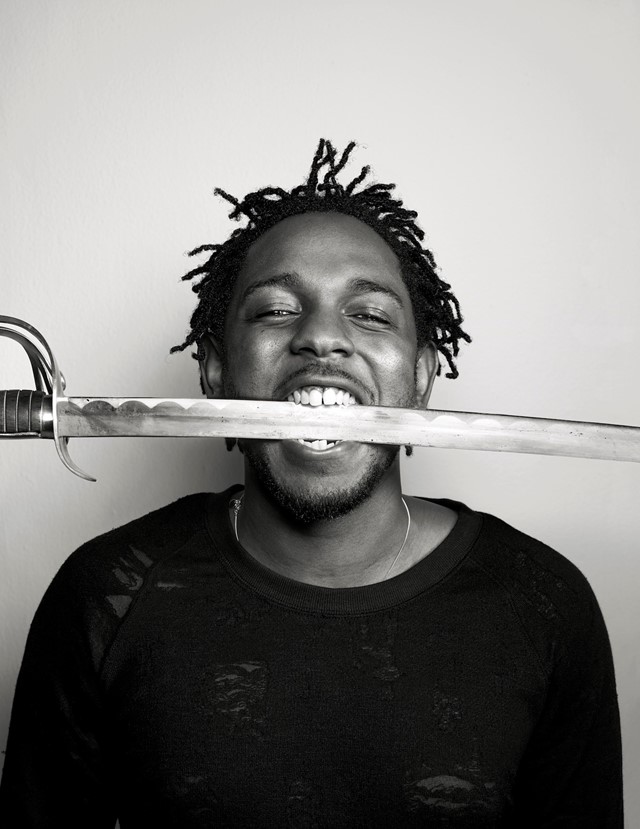
Deconstructing the portrait is where you look into a portrait and how the photographer has demonstrated gender, age, ethnicity and other topics through the use of composition, lighting, colour and iconography. It can be used to find new readings from the same image, applying different meanings and ways of looking at the subject matter. Looking into an image with a specific theme in mind can help you to find new information that the photographer wanted to convey as sometimes the deeper meaning is only inferred and not explicitly shown through the visuals. The use of subject performance and composition can be useful ways of deconstructing a portrait. For example, the first image shows a man shot in tight focus, leaving us only to see his face in full focus. His facial expressions are either extremely happy but the way that the image is shot with a slight low angle make him seem powerful.
Chris Buck
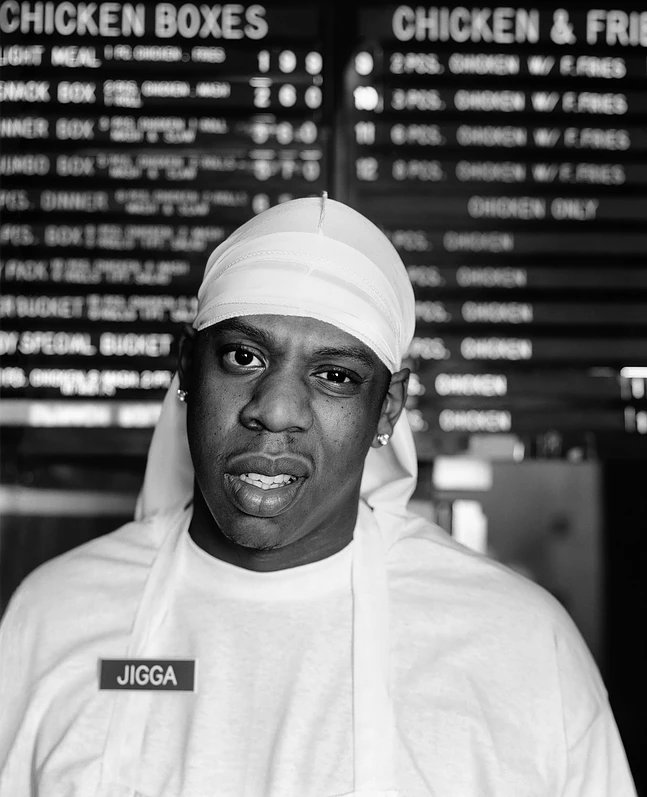
Chris Buck grew up in Etobicoke, a suburb in Toronto. His father worked for Kodak in Canada which introduced him to photography at a young age and sparked his connection early. He attended Ryerson University where he studied Photographic arts and, at the same time, was a photo editor for Nerve (a Toronto based music paper that released monthly). In 1990, he moved to New York and has since shot many large scale magazine and advertisement photographs. This move saw him progress to more famous and well-known clients for his portrait work working for magazines such as GQ, Esquire and the New York Times Magazine. Some of his subjects include Eminem, Jay-Z, Barack Obama and Steve Martin to name a few. He has also photographed a number of commercial campaigns for companies such as Coca-Cola, Google and Mazda. His portrait work especially has become well known and has won him awards such as the Arnold Newman Prize.
The image on the far left features Kendrick Lamar, who is recognisable to a wide audience. Buck has used an unconventional and unusual pose for this model with the sword in his mouth. Swords are usually quite an elegant weapon compared to the sound of the hip-hop music that Kendrick Lamar makes. This could be a visual juxtaposition as the iconography feels out of place with the stereotypes of the genre of music that the model works within and the expectations of the sword being an elegant weapon used by people of a higher class in historic times. However, the sword in his mouth could represent him overcoming these stereotypes and almost biting them in half. It is also quite a powerful image having such a deadly weapon between his teeth like that and his expression shows that it is not bothering him in the slightest. Overall, this image shows power and contradicts certain stereotypes that members of the audience may have been exposed to.
Vivian Maier
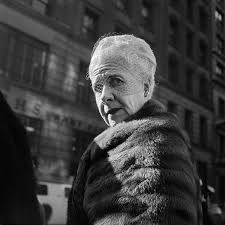
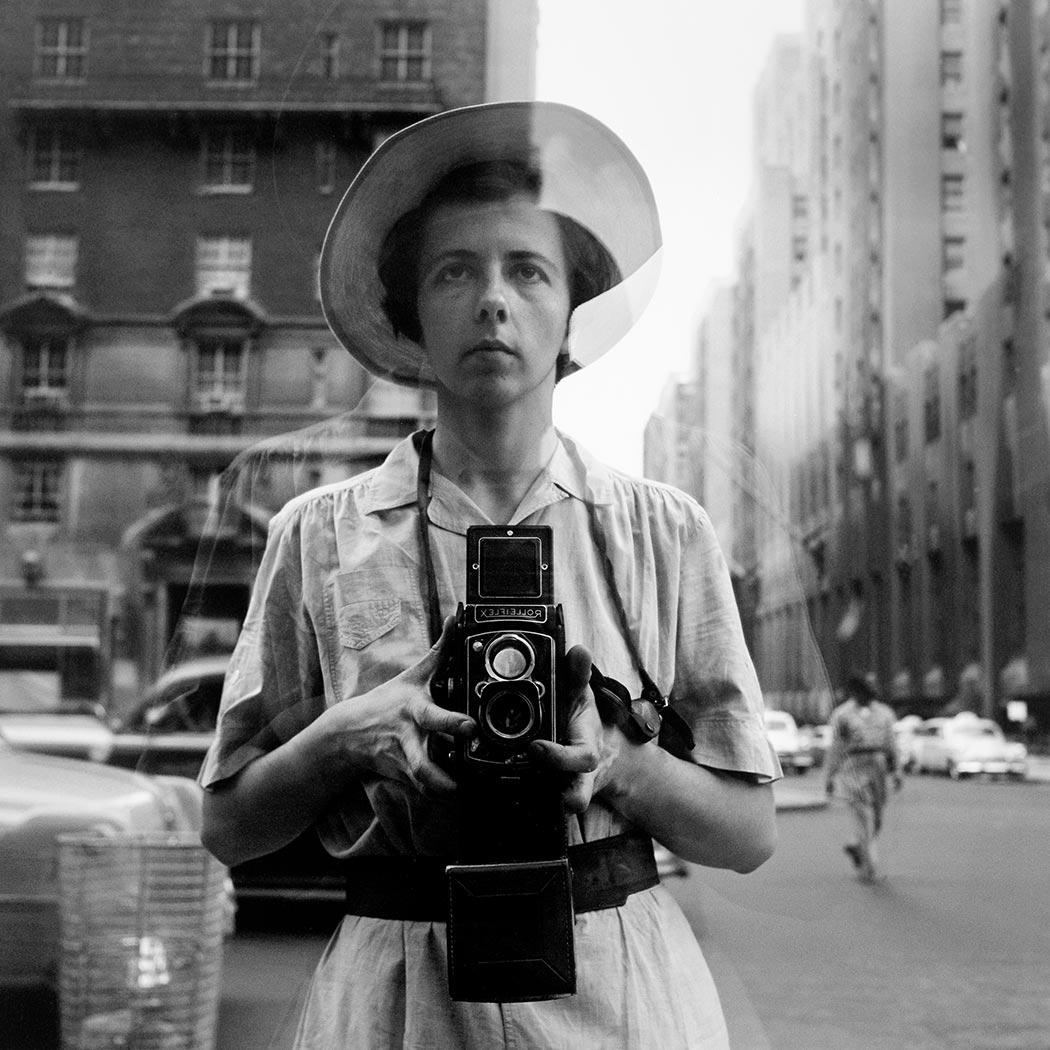
Vivian Maier was an American street photographer whose work was discovered and only recognised after her passing in 2009. She took more than 150,000 photographs within her lifetime, mostly of the people she ran into on the street and the architecture of Chicago, New York and Los Angeles. However, she did also travel and photograph around the world. Her images were unknown and unpublished with many of her negatives never being developed. Collectors in Chicago acquired some of her work in 2007 and her images were first published on the internet in July 2008. Collector John Maloof shared some of her images on Flickr in 2009, creating attention to her work and attracting critical acclaim. Since this point, her photographs have been exhibited around the world. A documentary based film was made about her titled ‘Finding Vivian Maier’. This was nominated for the Best Documentary Feature at the 87th Academy Awards.
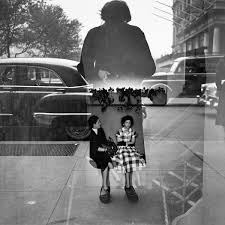
The image on the far right shows Maier taking a self-portrait of her reflection in what I assume to be a shop window within the city centre that she is in. The shallow depth of field attracts our attention to the centre of the image which features her in the foreground completely in perfect focus. However, we can still make out most of the things in the background such as the tall buildings and the cars. This helps us to locate her within her surroundings but does not feature any extremely recognisable landmarks that give us a specific location for her. Her Deadpan emotion makes us question what she is doing and perhaps has she just experienced something and she wants to document her emotions. We are left with a lot of unanswered questions as we do not have much contextual information about this image. Overall, I like her use of the reflection in this image as I feel it attracts our attention to her but keeps our eyes darting around to try and find something to help us locate her somewhere.
My Work
For my photoshoot, I had the idea of taking inspirations from a song that I had recently heard and felt inspired by. The song is ‘Underwater’ by Joey Bada$$ and there is a particular line that I thought could be interesting when approached within visual arts. The line is ‘Sometimes I feel like I can’t breathe like I’m underwater tryin’ to reach for the surface, but I’m stuck underneath’. I feel inspired by this particular line as mental health and the things surrounding it is something I find very important and I wanted to create a series of images that reflects my past experiences of struggling and knowing other people who have struggled with it. I feel like I could use lighting to reflect the feelings of being stuck, using shadows to mask my model and hide things of them from my audience. This would be much like how it is to feel stuck mentally, not wanting to reveal your true self to people. I also planned on using the model’s posing as a form of masking identity and showing the feeling of being stuck. I will do this through hand gestures and concealing the face to an extent.
When further planning my photoshoot, I was deciding who to use as my model. However, my schedule did not align with anybody’s as I had work over the weekend and that was the only time I could find anybody that was free. After considering my photoshoot further, I decided to do self-portraits as I realised I would have only been making my model pose in the way I wanted them to and they would have been a reflection of myself rather than a portrayal of themselves. I decided I could do self-portraits and make them personal and true to the real life emotions that surround the theme of my photoshoot.
For the locations, I settled on using my house for one of them as that is where you feel most comfortable. I felt this idea fit in with my theme and made sense within the context of my images. I also chose to use the main photography studio as it gave me room to experiment with the lighting and backdrops. I asked for some friends to help me when taking the self-portraits as I may need help setting up the camera or lighting etc.
The studio shoot was successful. I had asked Elliott to help me on the shoot so that I could focus the camera and set the lighting correctly. I had him stand in front of the infinity cove so that I could put the camera in the position and focus it. I then brought over the lighting and used my digital camera to make sure it looked the way I wanted it to with the camera settings I was using. I then copied these camera settings to the film camera and put in the remote shutter. I moved to the position that Elliott was standing and began posing, using the remote shutter to take the pictures. I also experimented with multiple exposures, using bulb mode on the film camera and multiple flashes on the lights to expose the film with multiple images. I also backlit myself so that I was a silhouette in front of a white background. I got a range of portrait and landscape images to experiment with composition.
My environmental shoot saw me experiment with compositions and facial expressions. I used my bedroom and my house as a location as it was an environment that I felt comfortable in and I felt this reflected my theme well. However, when it came to developing the images, I found that none of them had come out due to an incorrect exposure. This means that my exposure was set incorrectly, causing none of the images to have any form within them.
After developing my first roll of film, I did a second studio photoshoot on an ISO 125 film to get some more images that were less grainy and clearer when made into prints or scanned in digitally. For this shoot, I re-took some similar images from my first shoot, giving me a second chance to get the exposure better. I also tried some other poses using different clothes that I had brought with me. This gave me a wide range of images as I look different within each of them. Also, I experimented with composition more, with some images of me standing further from the camera and some of me sitting down on the floor using the remote shutter release. Overall, I am happy with these outcomes, and after developing them all, I think I have a wide range of successful outcomes that I can use and display as a part of this photoshoot.

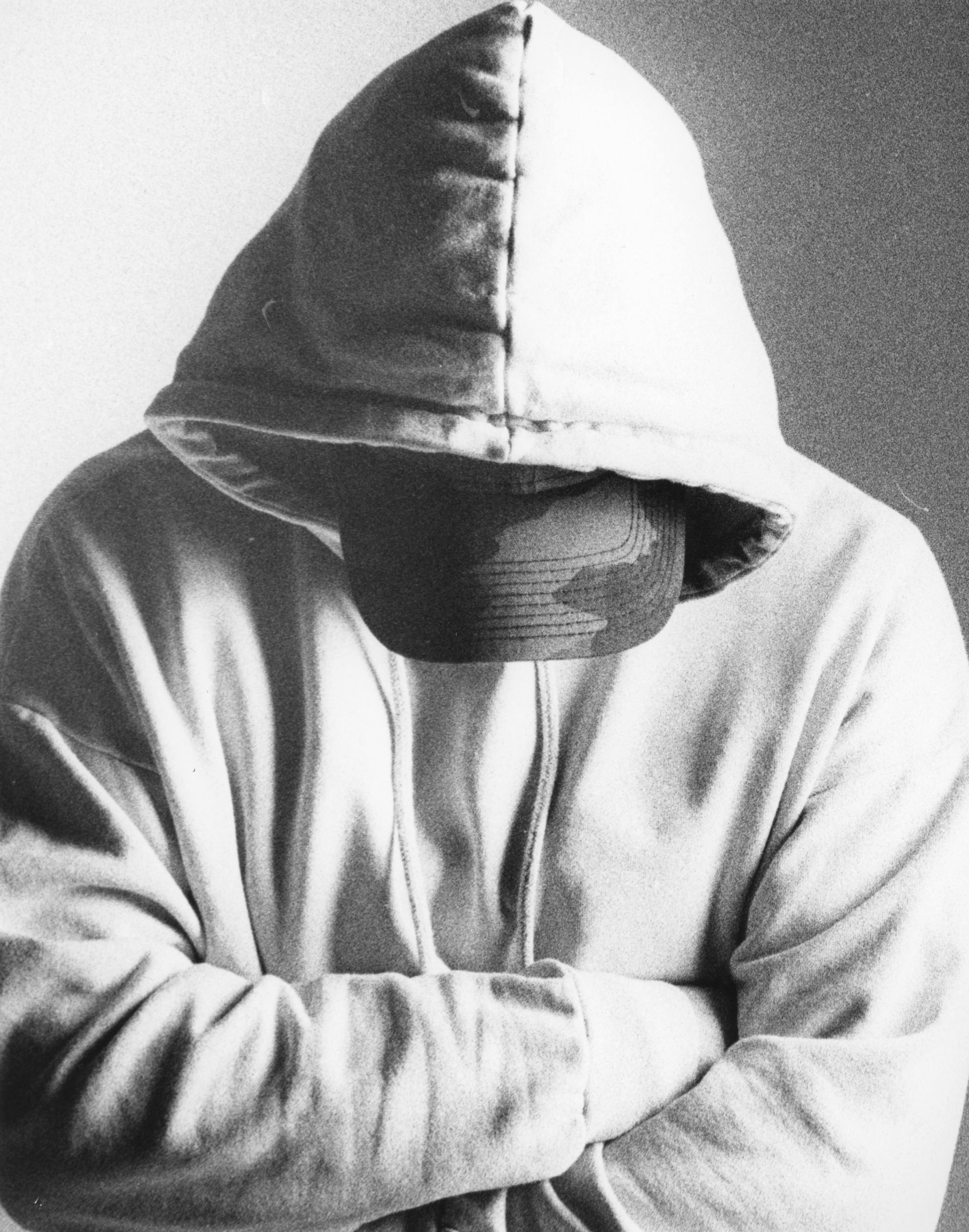
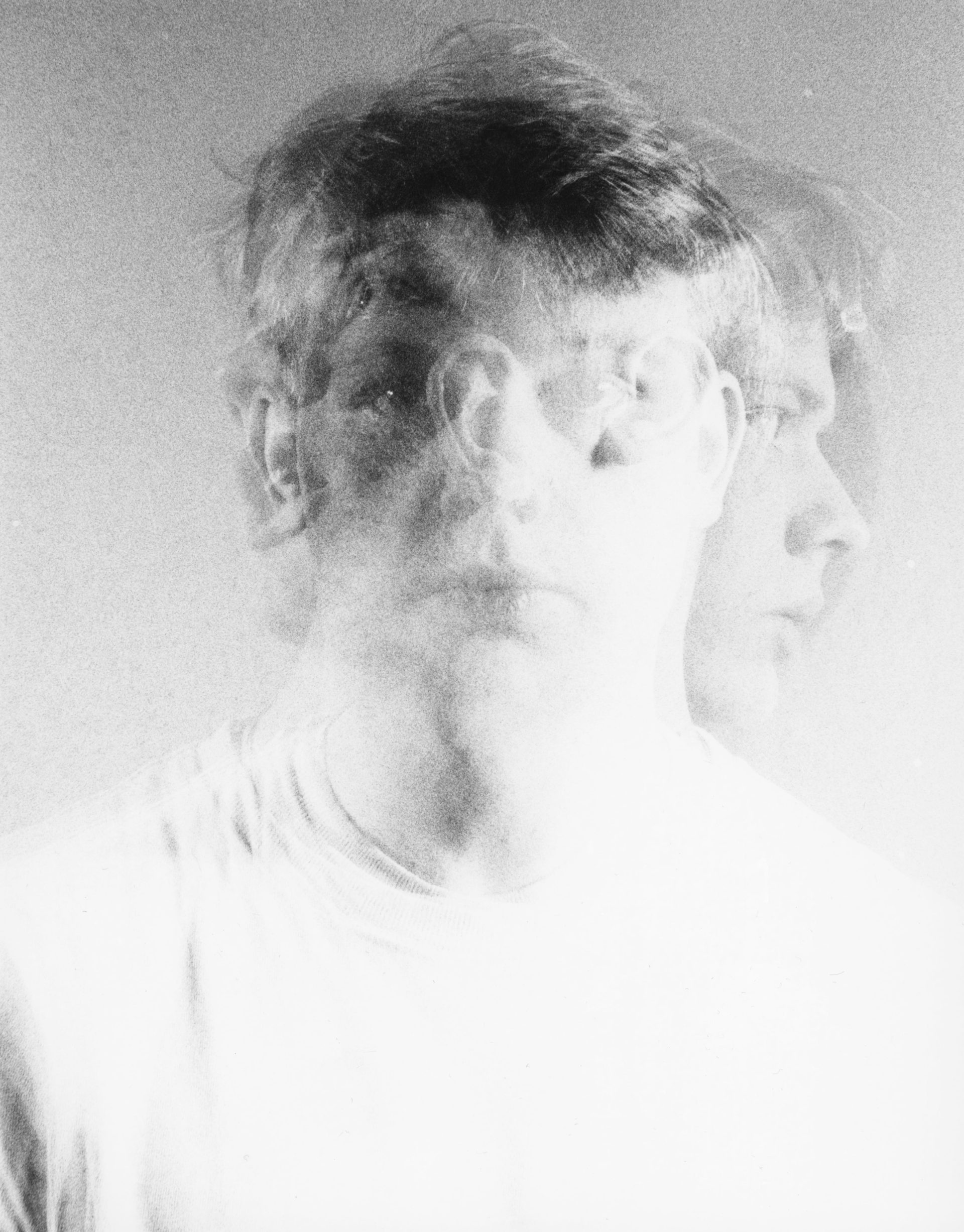
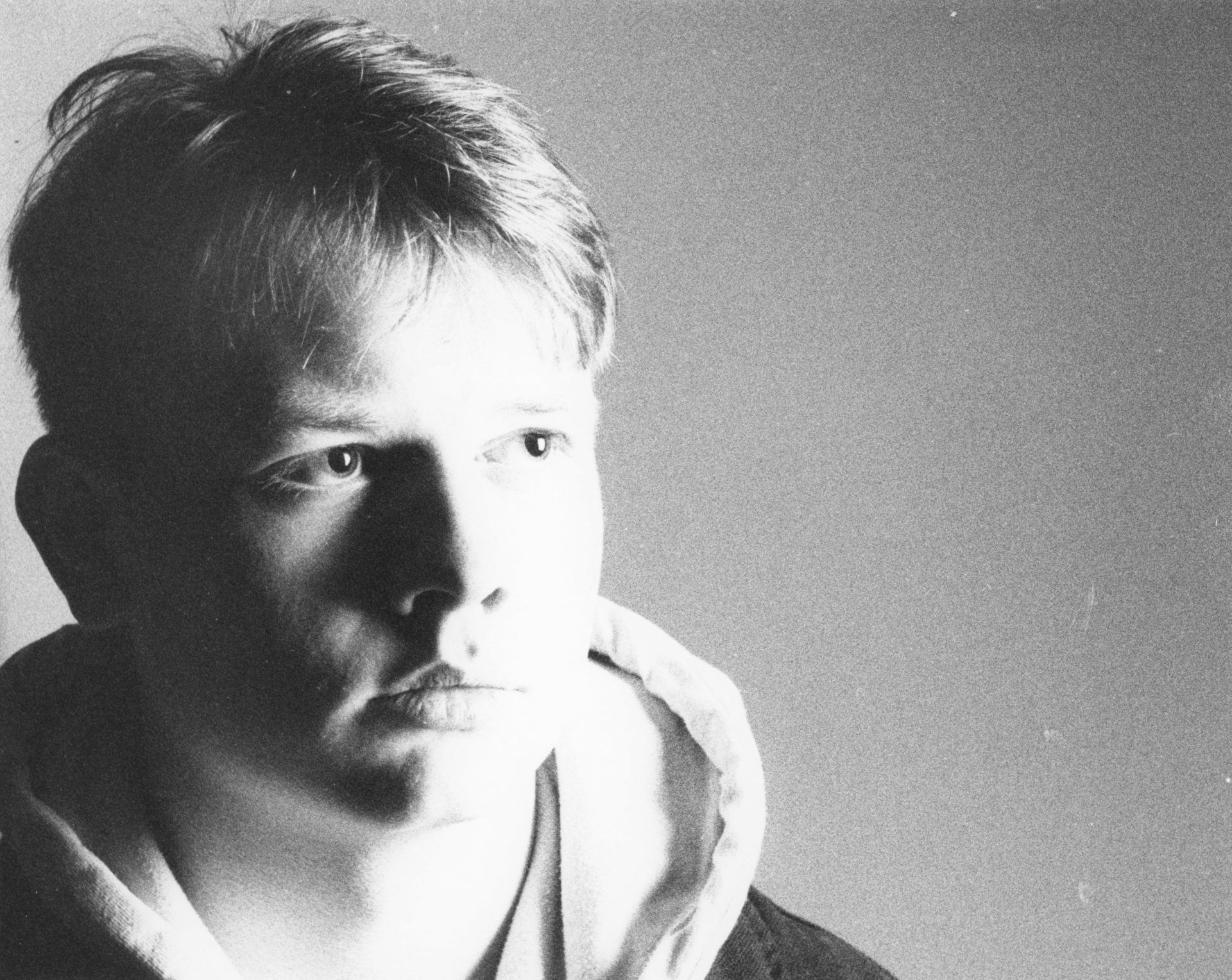
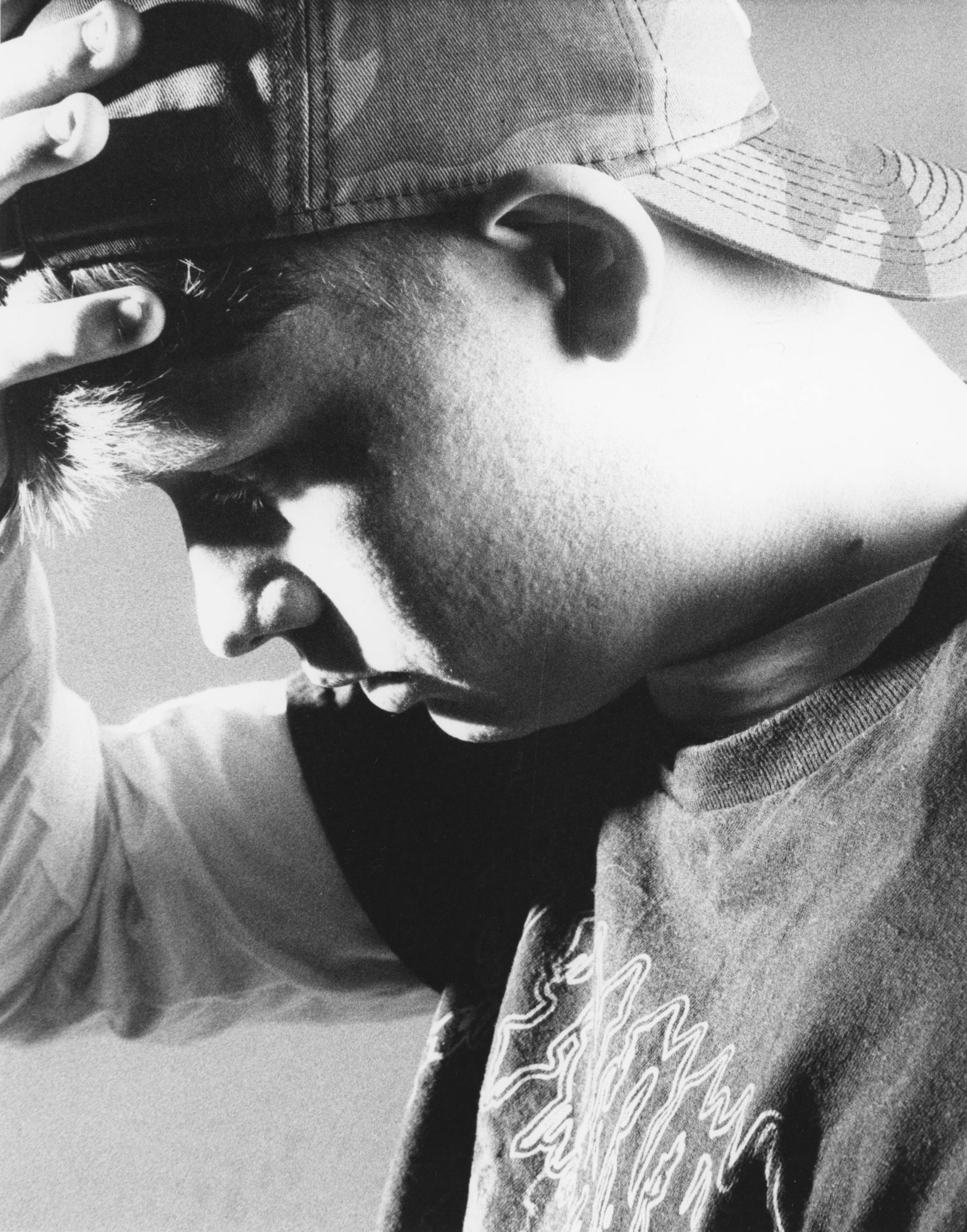
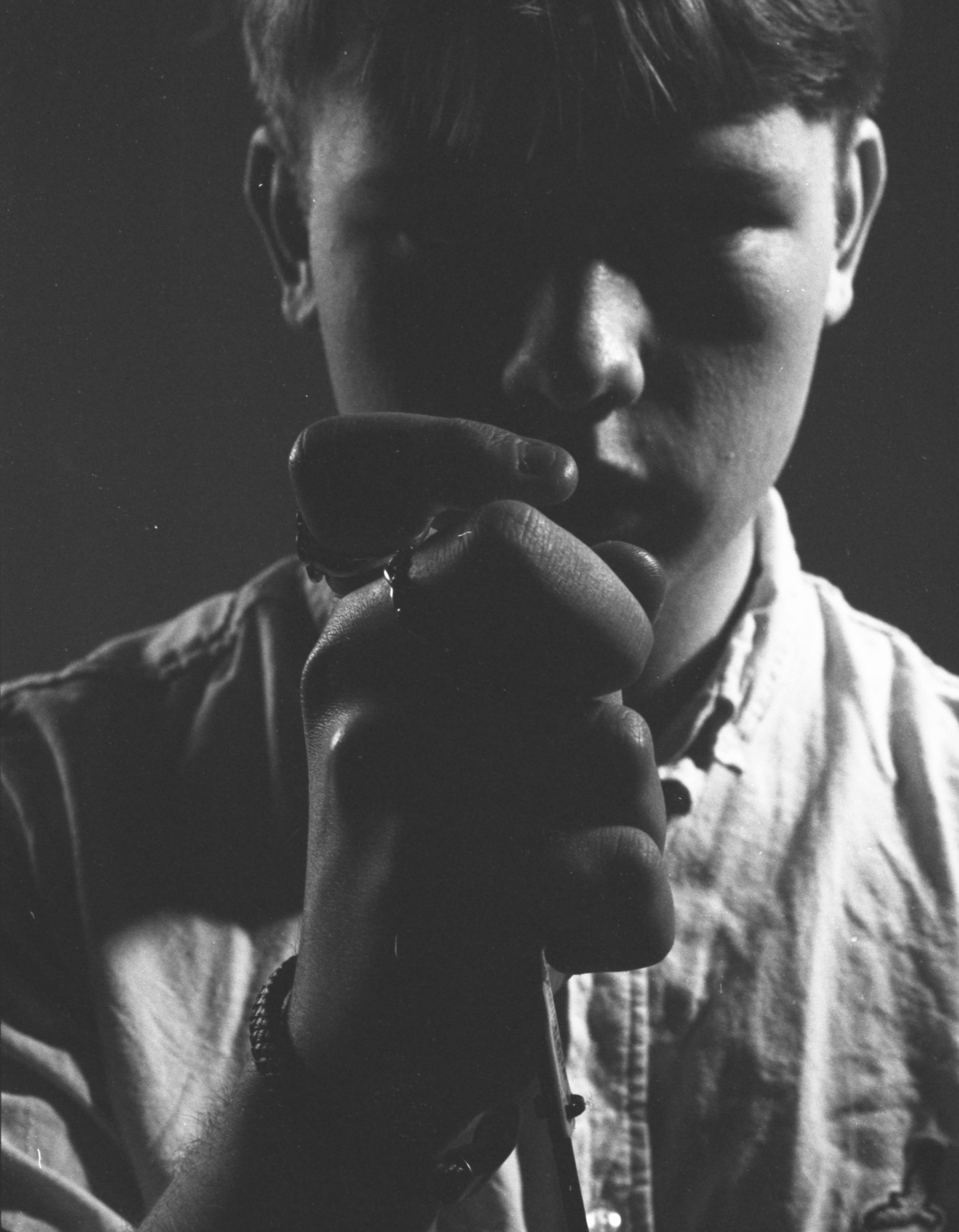
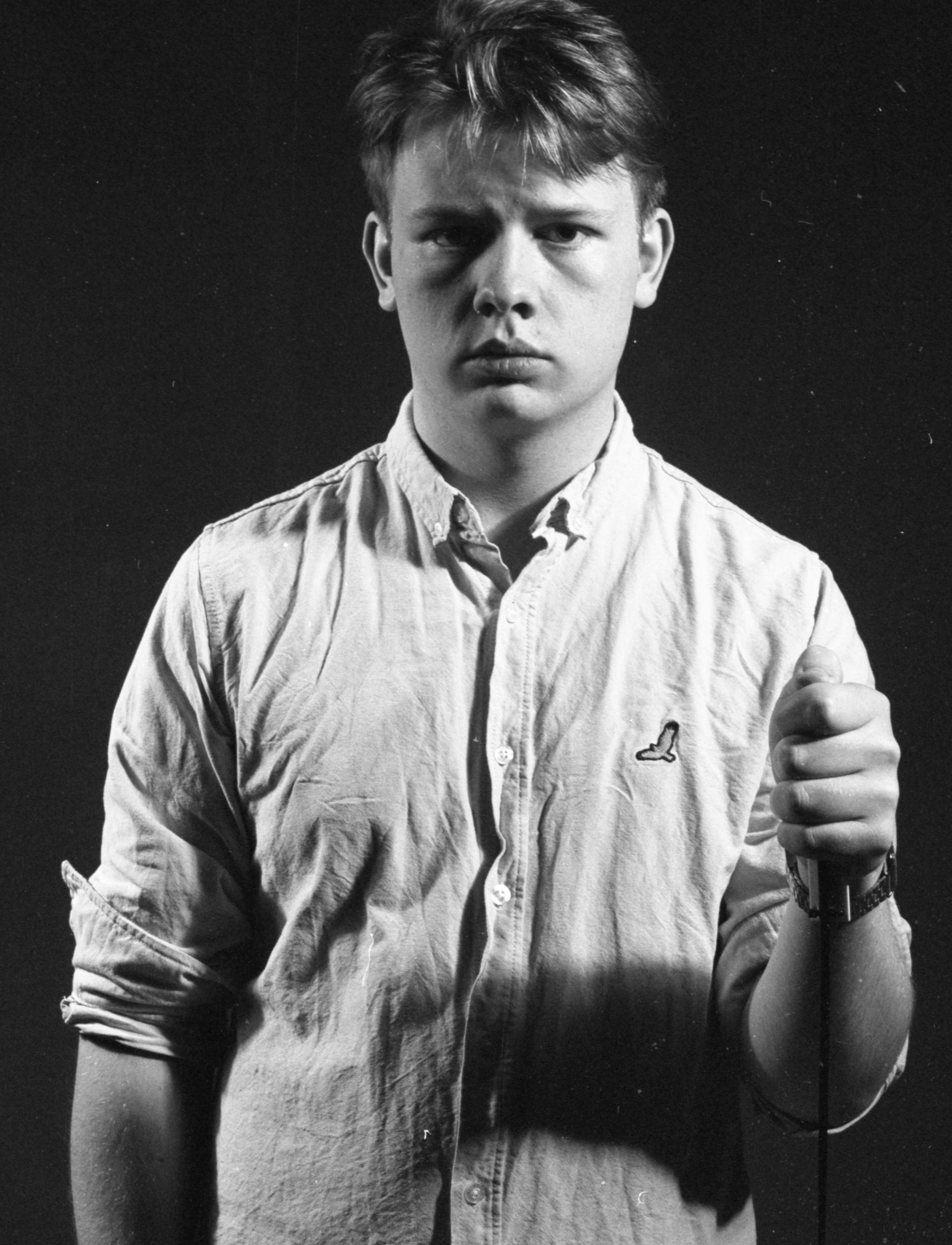
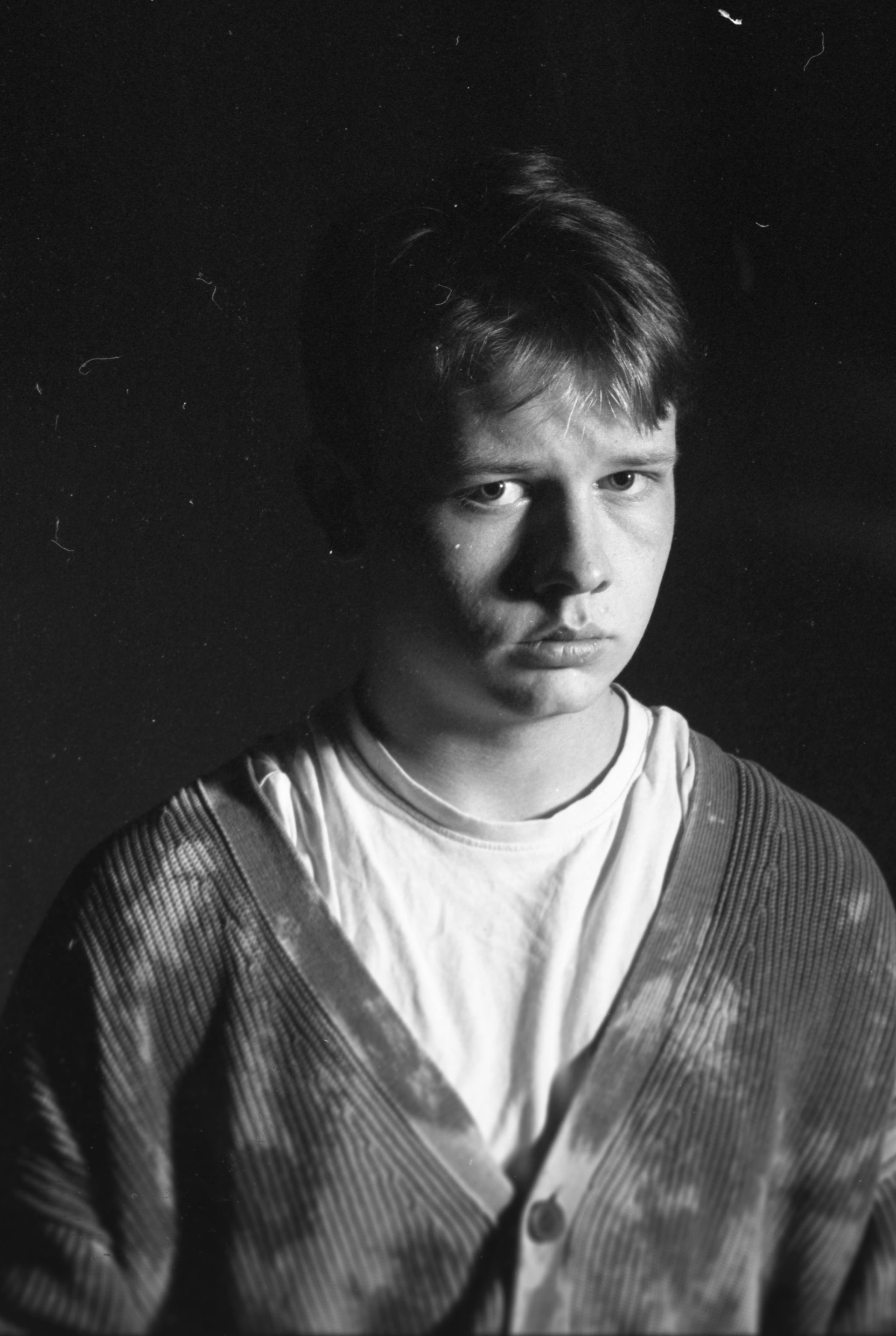
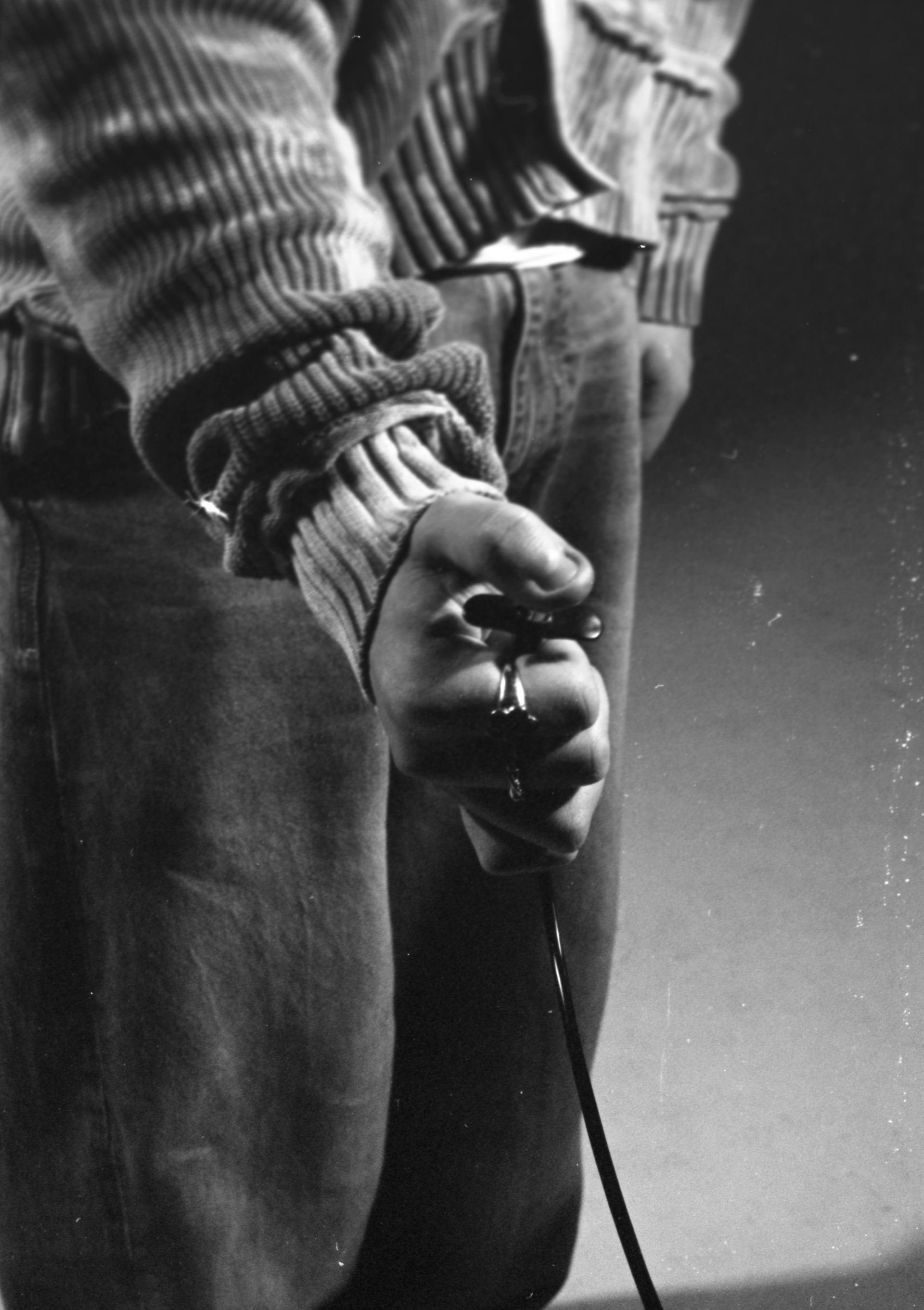
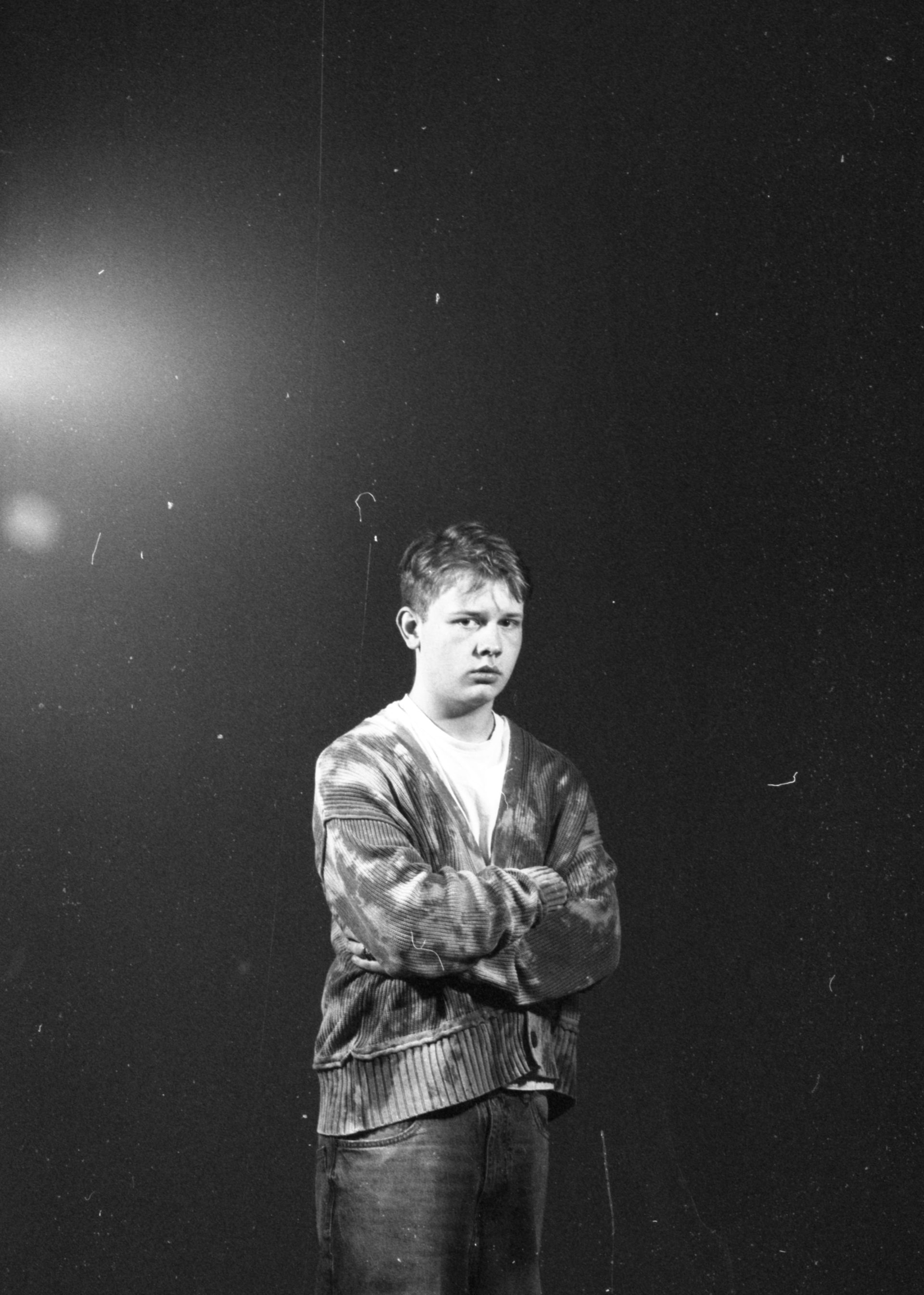
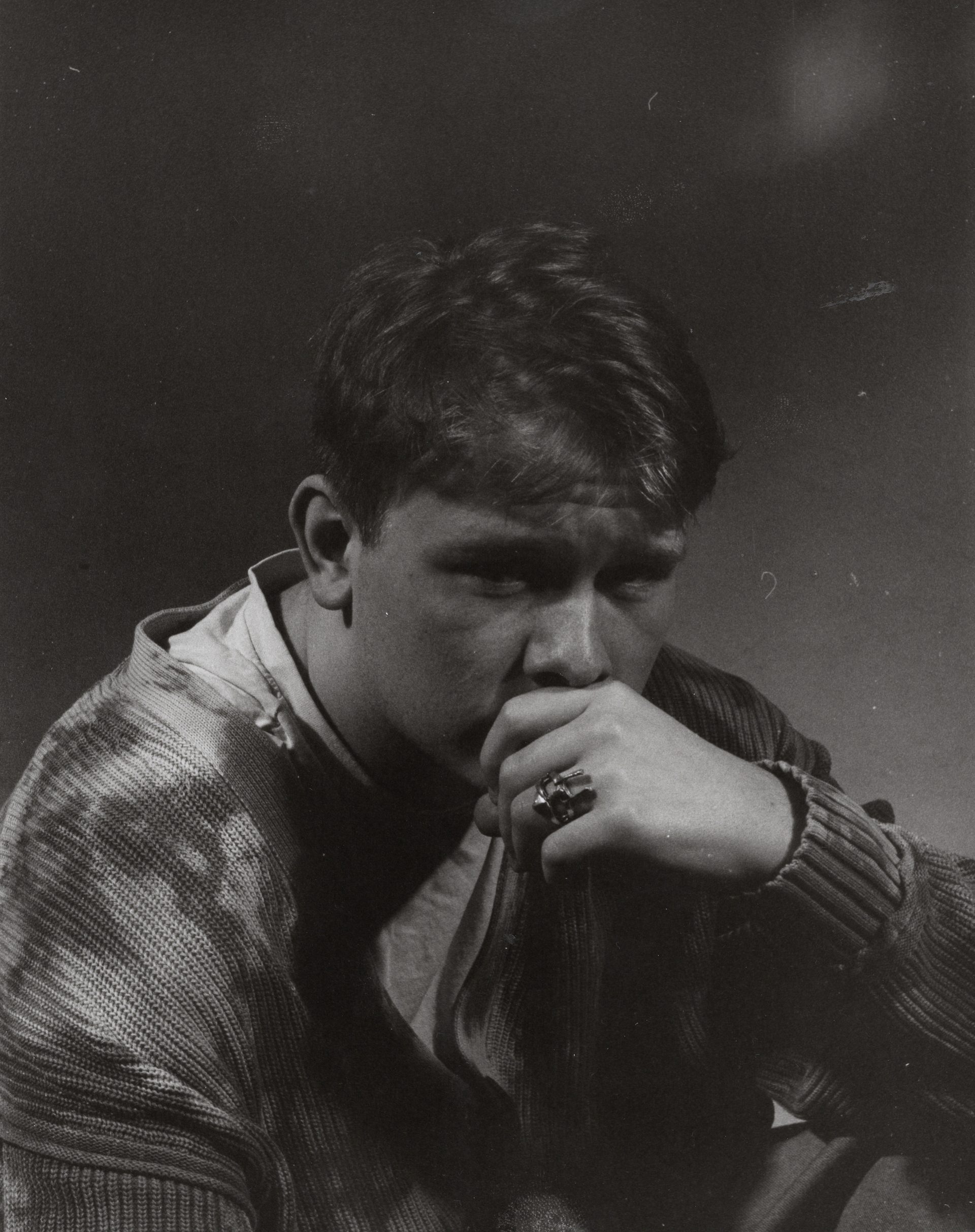
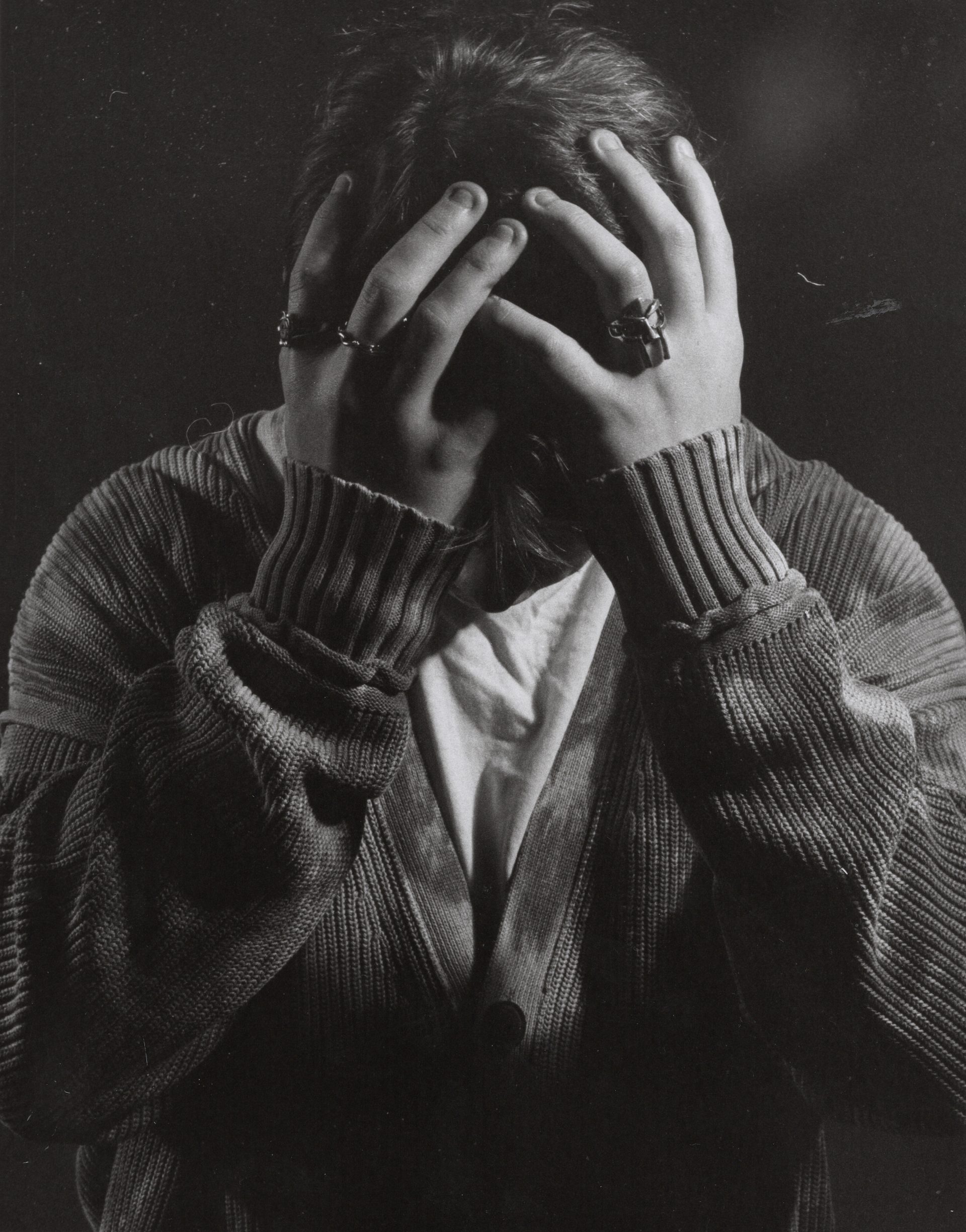
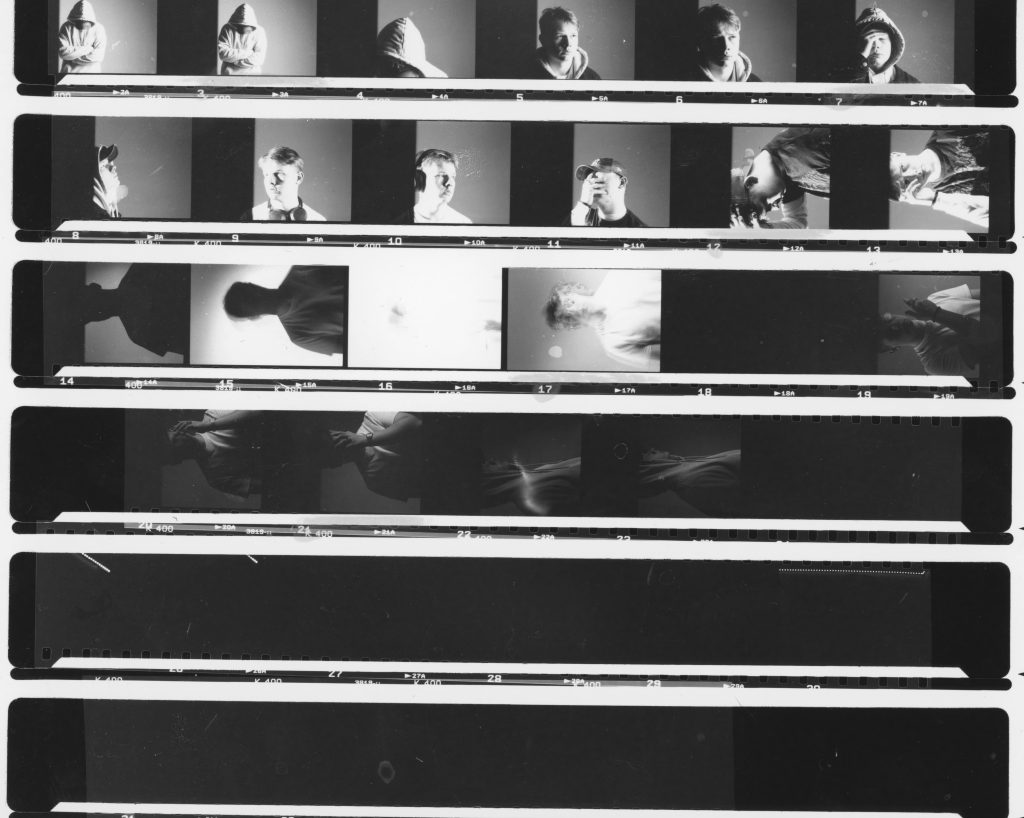
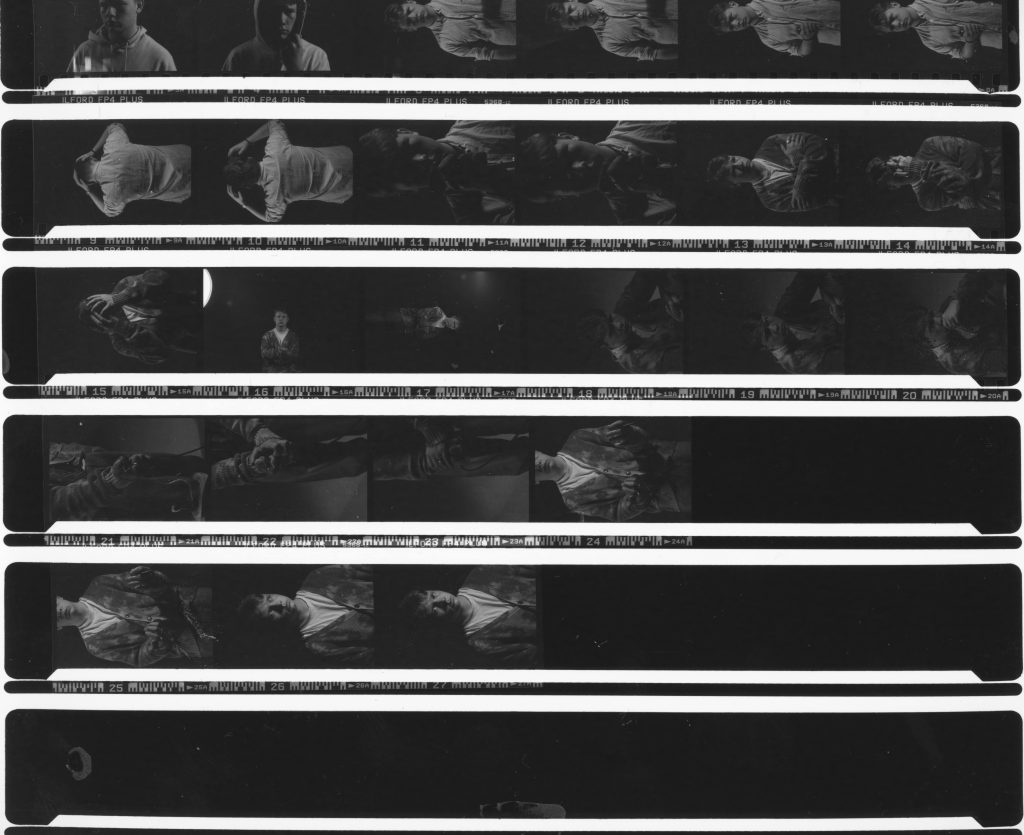
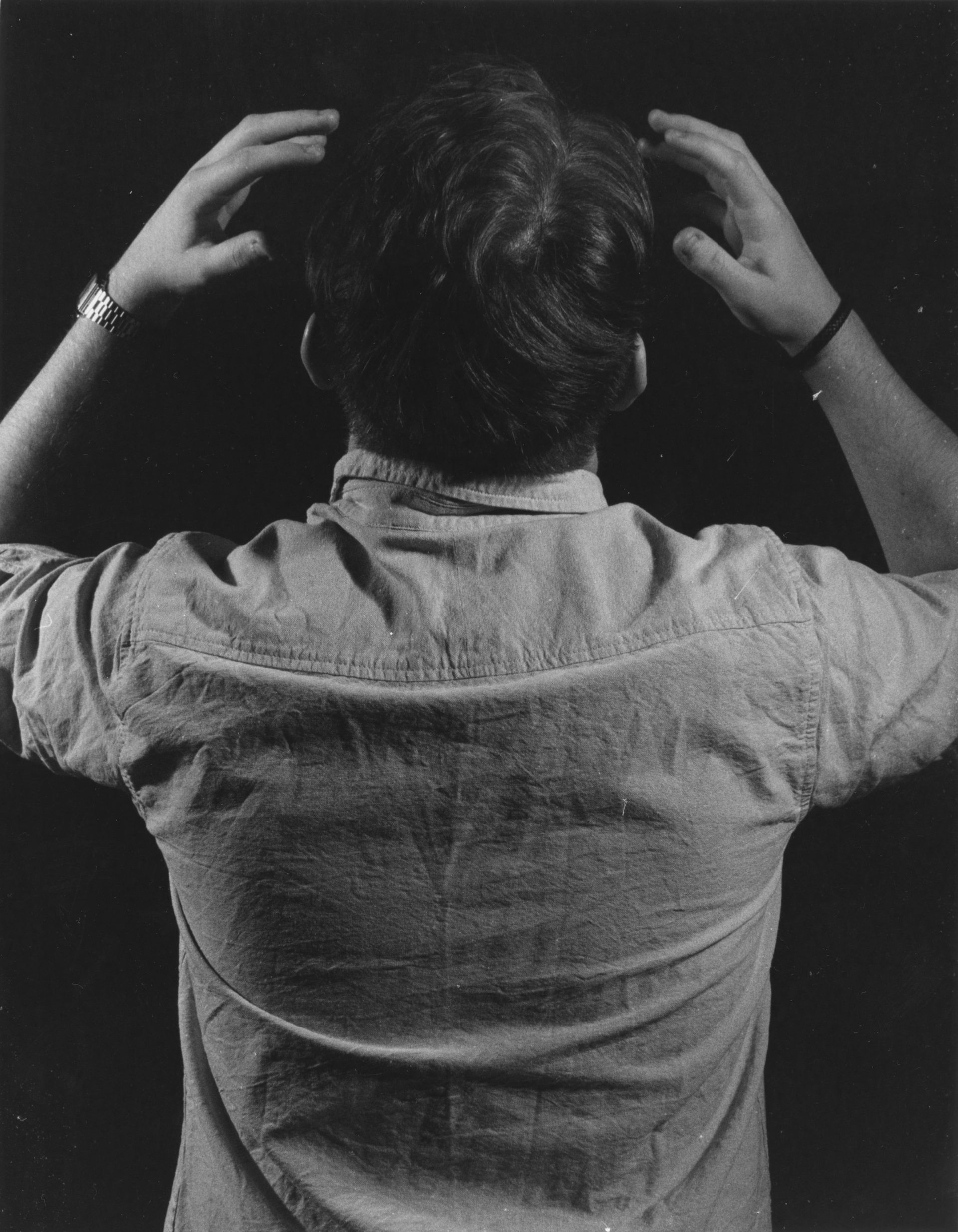
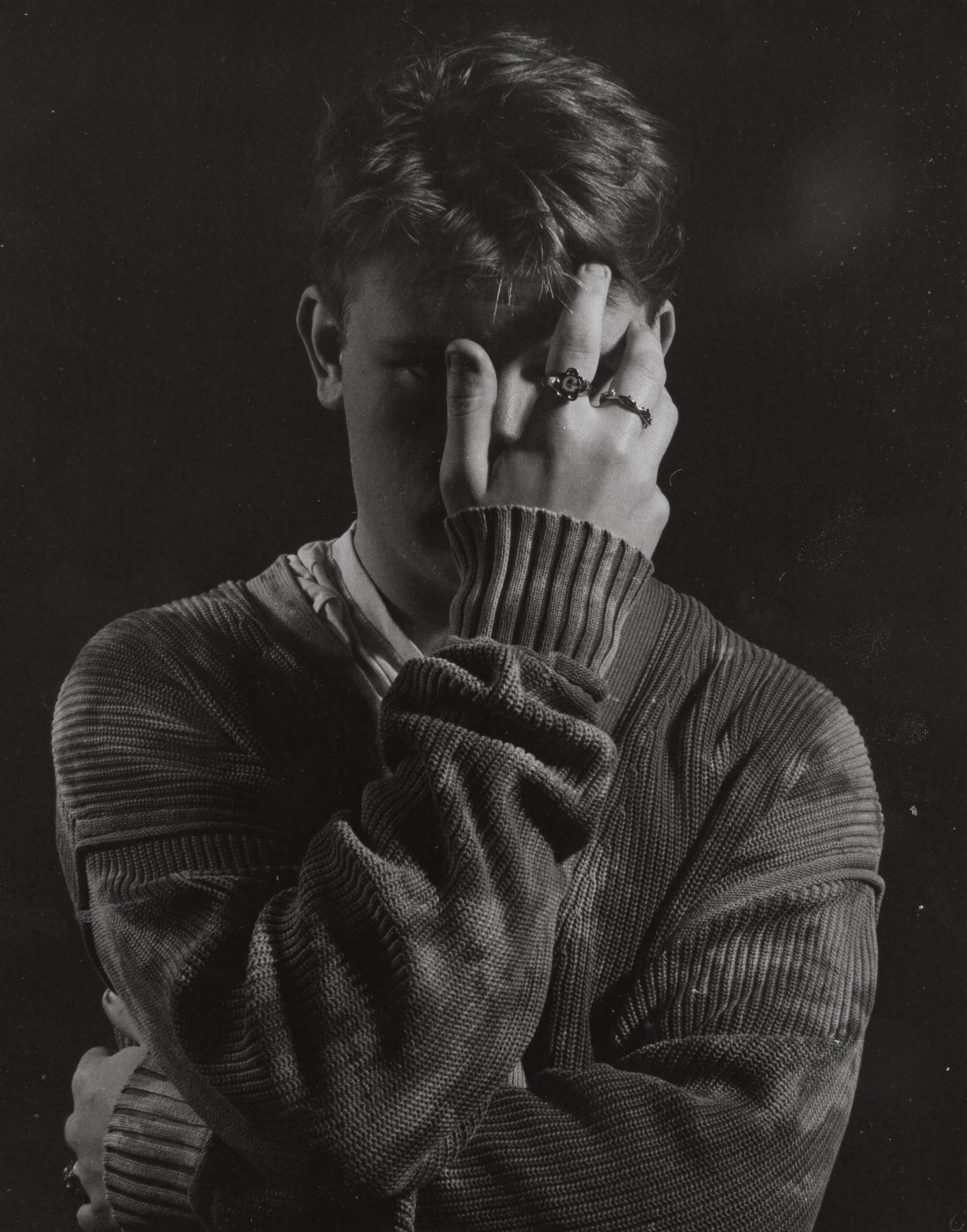
(click on image to expand)
In my image titled ‘Underwater’, I decided to wear an untidy shirt that looks creased and overall quite messy. I chose this as I was inspired by a song also titled ‘Underwater’ which touches on feelings of self doubt and poor mental health. People that experience these things in extreme ways can often feel the lack of need to care for themselves and worry less about their appearance than the average person. I also felt the messy shirt reflected my ‘messy emotions’. My pose was inspired by both silent films use of body language to express emotions and theatre performances where the actors need to largely express their emotions across the stage for the audience to see. The hands in the air symbolises surrendering and suffering, this is something that reflects my initial inspiration with feelings of self doubt and overall poor mental health. Overall, I am proud of this image as I feel I managed to get the technical side of the image well, with the exposure and the focus being very good for a self portrait I took on a film camera.
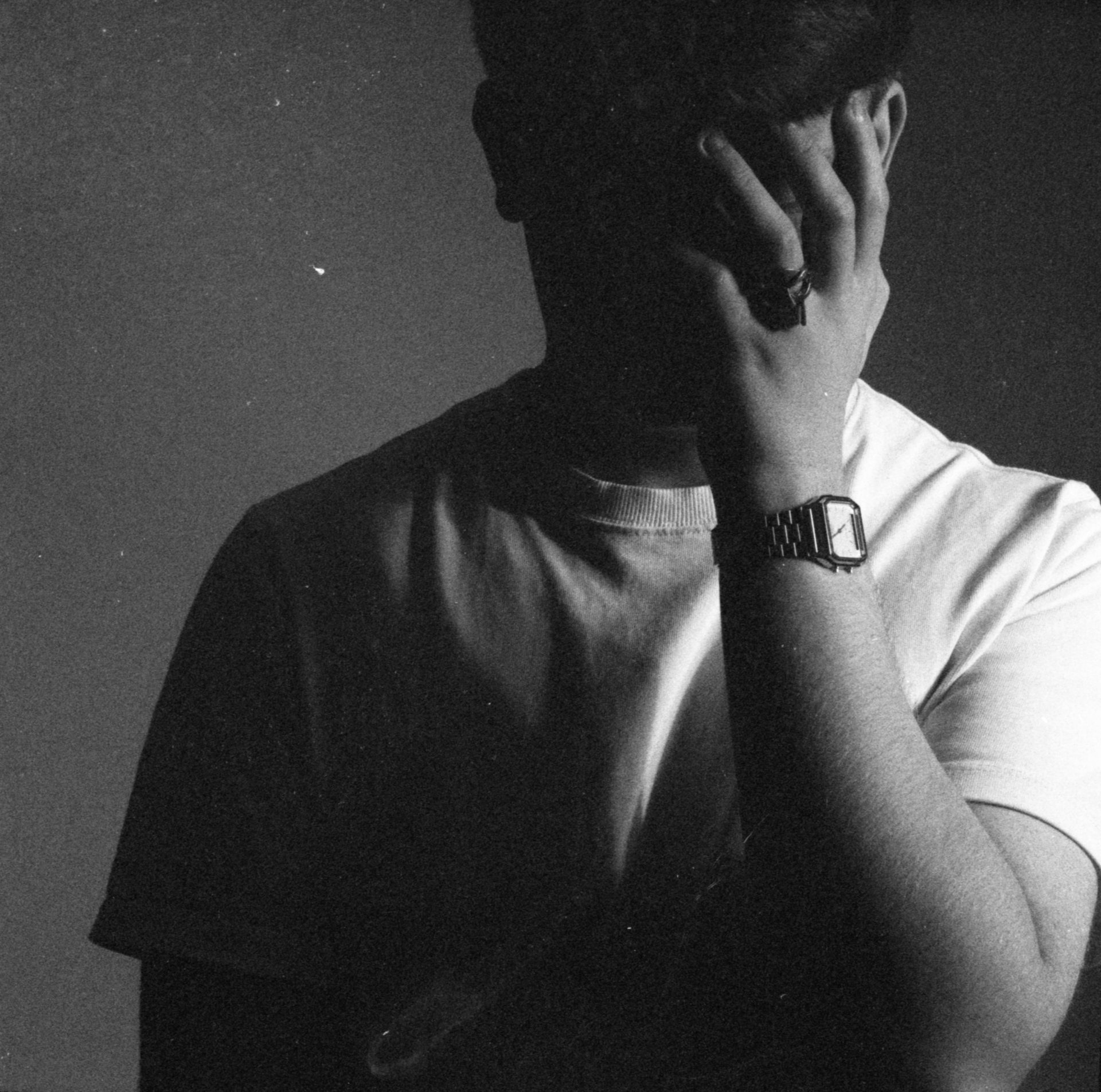
Secondly, in my image titled ‘In the Shadows’, I wanted to appear as if I was an ordinary person wearing clothes that anybody could wear so that there were no biases or stereotypes forming in the audience’s mind. Unlike the messy shirt, this outfit appears well put together with jewellery etc. I wanted the costume to reflect that on the outside, people that experience mental health issues can look completely fine and can blend into the crowd as if they have nothing going on. My body language and facial expression is where the audience learns about the poor mental health as I have my hand over my face, casting a shadow over most of my face. I took this image using split lighting with a softer fill light to fill in some of the shadows on the side of my face. I used this as a way of casting soft shadows with my hand over parts of my face. Overall, I am proud of the way this image has come out as only a month or so ago I had never used a film camera before and I feel like I managed to use the ISO 125 film very well with my lighting to create some interesting images.