What is Documentary Photography?

Documentary photography is the process of photographing a specific interest in a particular way that does not feel intrusive but instead observing them from the outside. These specific interests could include a specific group of people or a wider demographic. This could be attending an event or other specific environments where the subject matter is all relevant to the specific interest. Documentary photography is often candid so that the subjects are presented in their most ‘true to life’ forms. It is often confused with photojournalism but differs as the subject matter does not reflect the breaking news stories but instead reflects ongoing issues. It is presented in a way that embraces authenticity and storytelling, with each image bringing forward a level of emotional responsibility to the subjects. It is a straightforward and accurate representation of a group of people, place, events or objects.
Dennis Morris
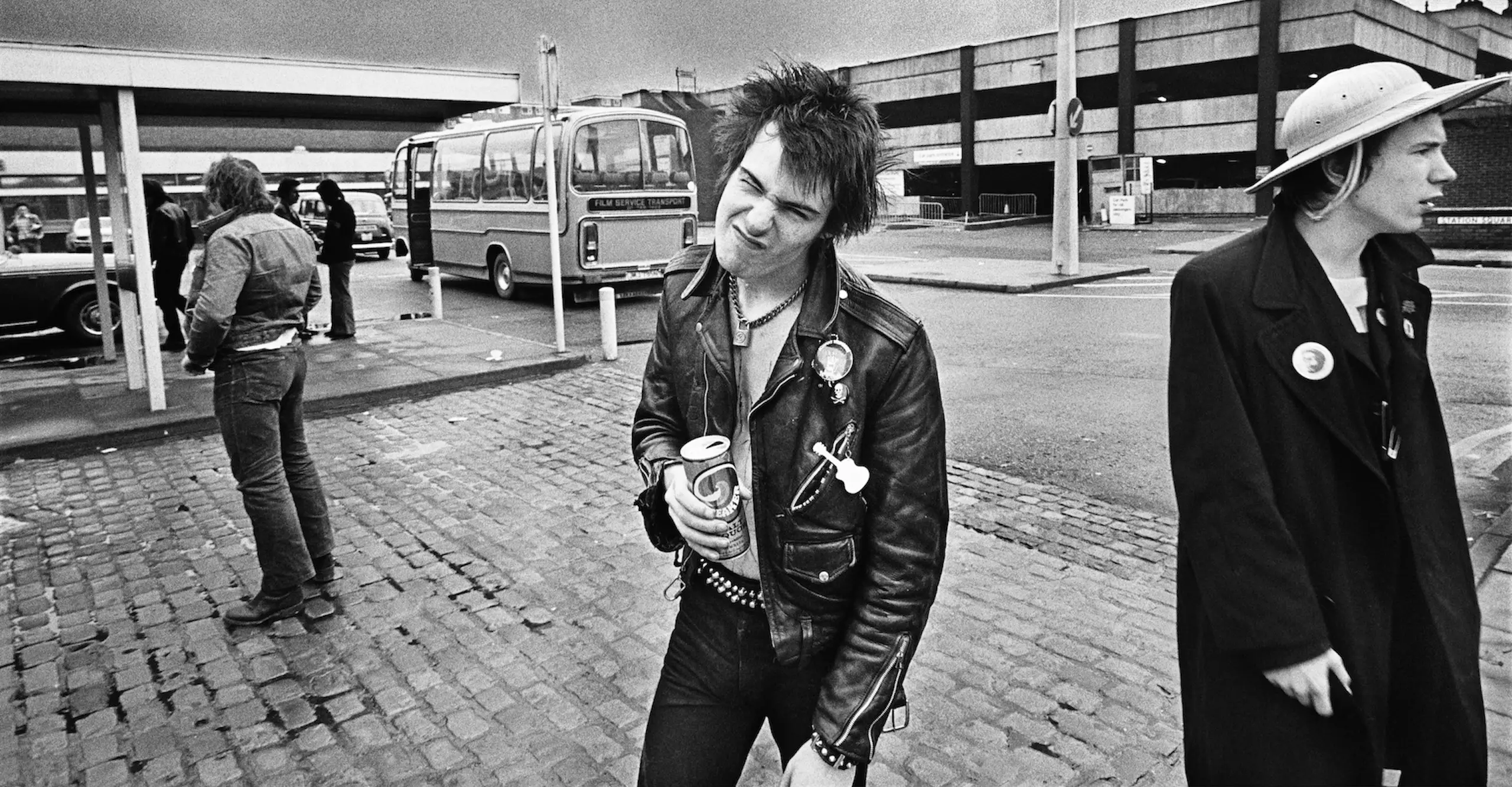
Dennis Morris is a British photographer, best known for his photographs of Bob Marley and the Sex Pistols. He first photographed Marley in 1974 at the Speakeasy Club in Great Marlborough Street in London. After this, he continued to photograph him, documenting his life until his death in 1981. He was approached by John Lydon of the Sex Pistols after their signing to Virgin Records. He spent a year with them, documenting them in depth. He travelled across the world, documenting life in various countries such as the Philippines, Jamaica and Japan. His work all featured a theme and interest in music and the lifestyles that being within the music industry brought with it. He predominantly featured artists within the Punk scene, also working with a range of Reggae artists, giving his work a wide variety of subject matters. His work was recently exhibited in 2023’s Kyotographie International Photography Festival in Japan where he exhibited a series of work titled ‘Colored Black’.
The image on the right locates the audience in the back of Bob Marley’s car. This candid view of Bob Marley in a personal environment like this makes the audience feel closer to him which is unusual as he is such a big celebrity that most people that view this image would recognise. The deep depth of field within this image allows us to focus on all of his surroundings and helps us to locate him within an urban area somewhere. Morris took this image at eye level which makes it feel like we are in the car with him, this changes the way we view the image as we can see that the subject is in their own space and we are seeing something that we wouldn’t normally get to see. Overall, Morris documents his subjects in a way that makes the audience feel both familiar and intrusive of them as we are located closer to them but we feel like we should perhaps not be seeing it.


Chi Modu


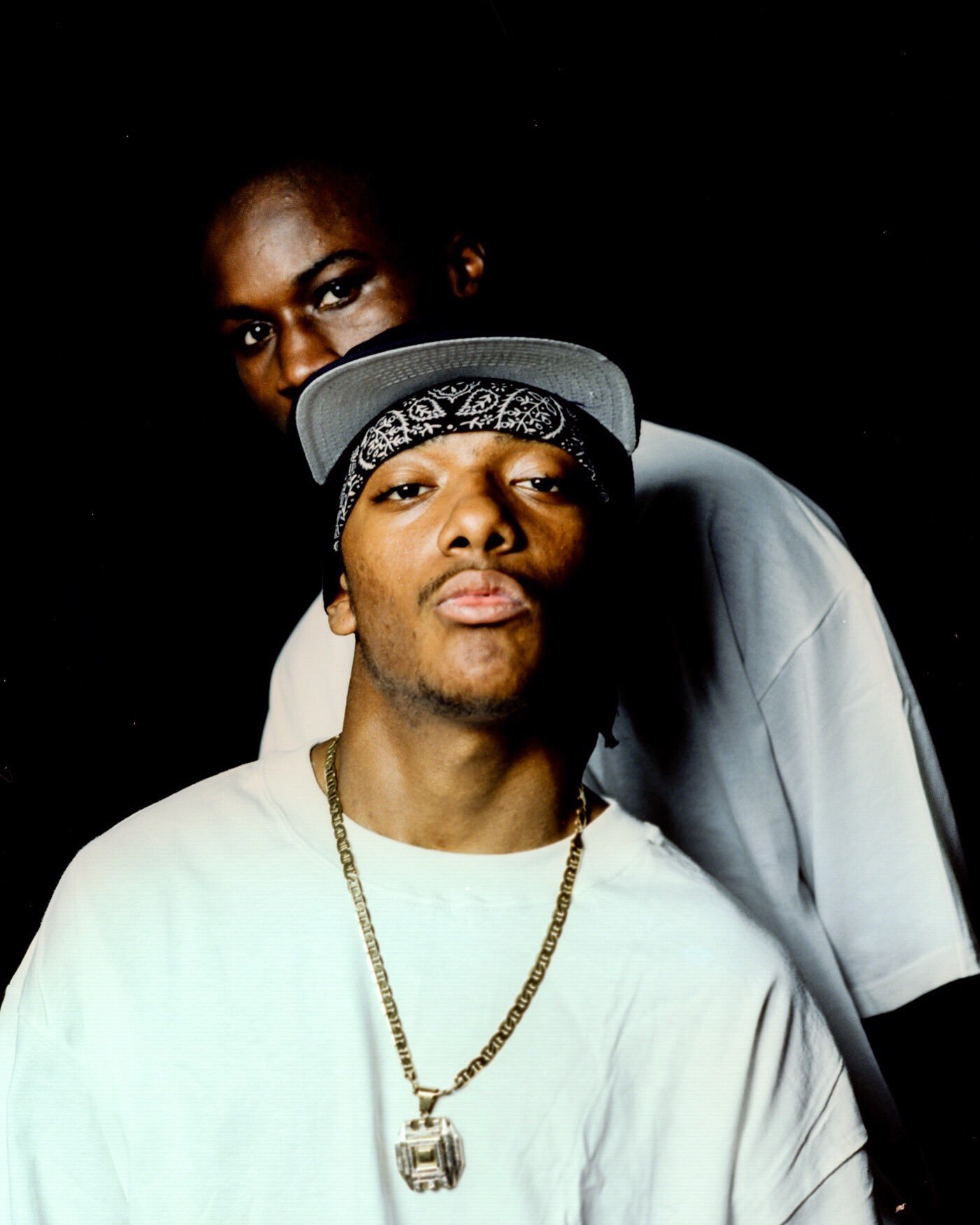
Christopher Chijioke ‘Chi’ Modu was a Nigerian-born American photographer who became widely known for his photographs of various famous pioneers within the late 80’s and 90’s hip-hop scene. His images set the template for many hip-hop stars’ visuals and are still widely regarded as some of the most important images within the hip-hop scene. His use of composition focuses the audience’s attention to the models and their ‘powerful poses’. The use of iconography through the gun and the chains also creates familiarity within the audience as they recognise these things as relating to hip-hop. This instantly gives the audience an understanding of who these people are and what they might be doing. His use of lighting is also very important as he uses shadows to mask their environments (particularly on the first and third images) to the point where they look like they are located in a void of nothingness. He also uses lighting to cast shadows onto the subject’s faces, making them seem somewhat dangerous as it works alongside the iconography to make them seem more powerful.
Modu’s use of iconography within the image on the left creates a sense of fear towards the subject as they point a gun directly towards the camera as the image is taken. This, alongside the shadows over his face caused by his cap and a high-up light source, make him feel powerful and represent him as a stereotypical gangster. The photographer has played within the audience’s stereotypes here to represent his subjects (hip-hop stars) as being tough to fit in with the expectations of the genre of the time period that these images were taken as in the 80’s and 90’s, hip-hop was seen as being for the ‘streets’ and gangs. Overall, Modu’s use of lighting and iconography help to make the audience fear the subject and change how we perceive them. If we were viewing the subject without the gun they would not look as scary and would look like just an ordinary person posing for the camera.
My Work
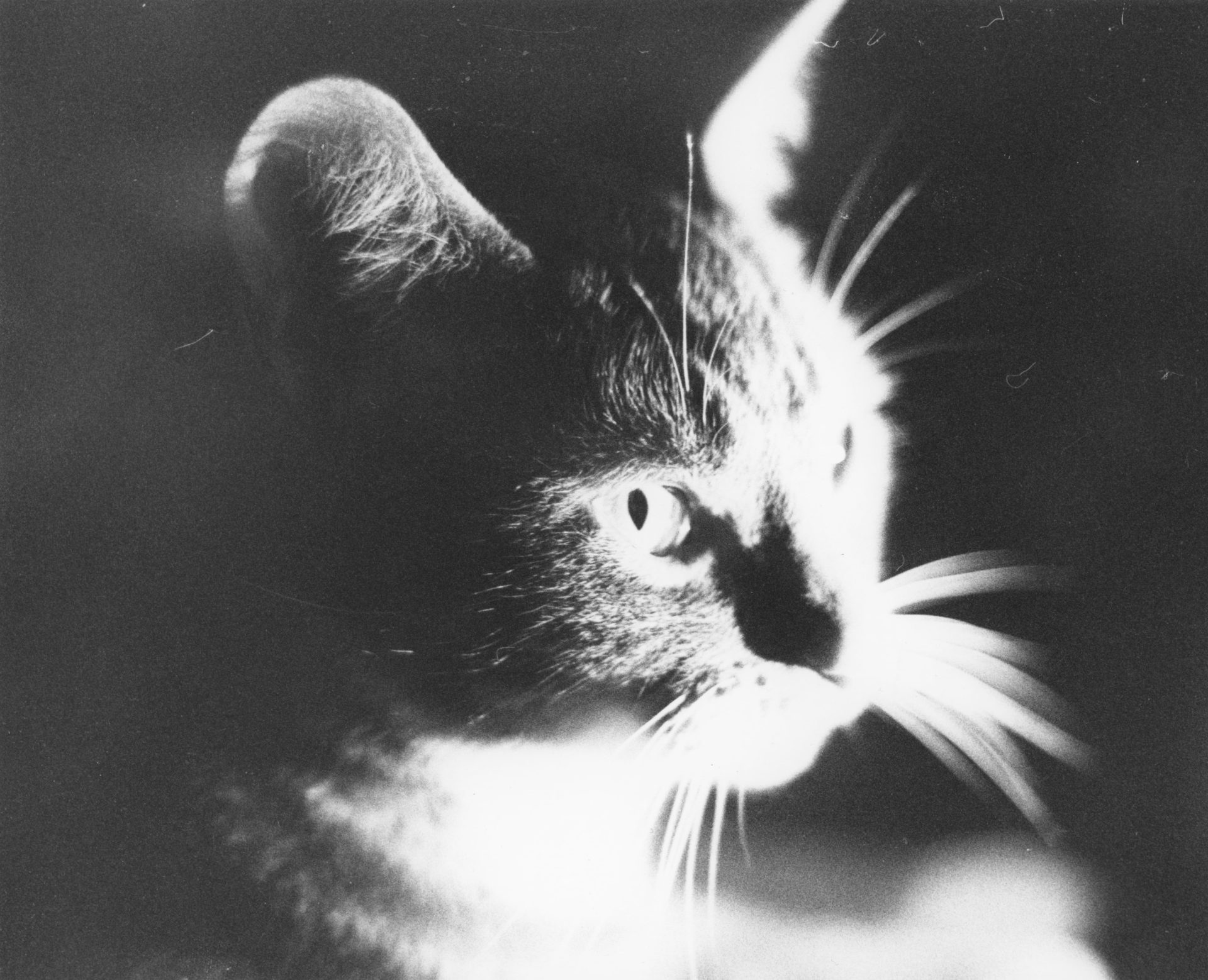
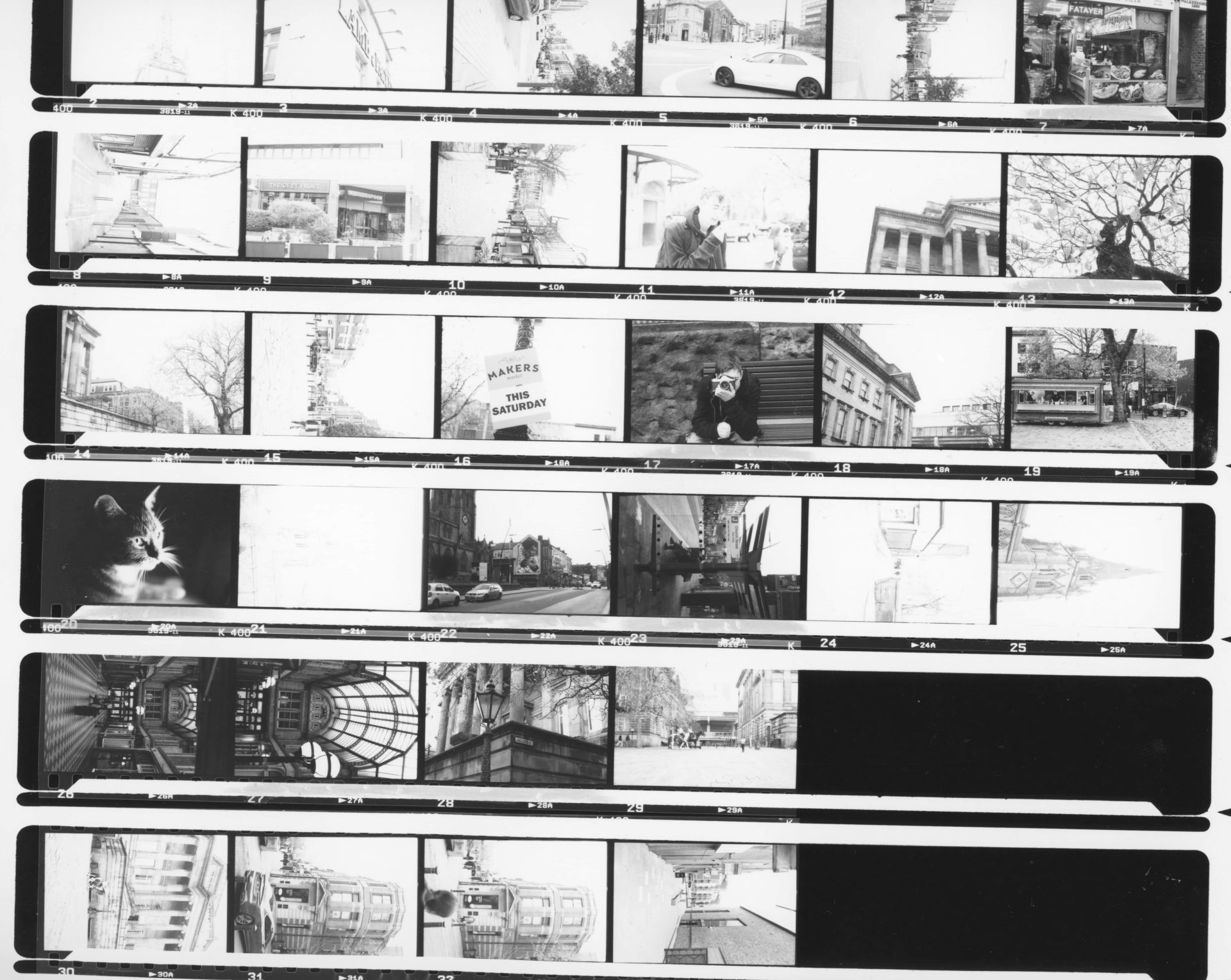
Whilst I was conducting my first photoshoot, I wanted to focus on covering as many subjects and locations as possible so that I had a broad range of subject matter within my images. The first shoot was successful as I had managed to find a wide variety of subjects within one location. This meant that I was able to quickly shoot the subjects without thinking too much on travelling to find other things to shoot. I experimented with a range of human subjects and street documentary photography. This gave me a variety of images when it came to creating my contact sheet, however, I had noticed that some of the images were slightly over-exposed which made them not as good quality as the others. Even with this issue, I had still managed to capture some successful images (as shown below) which I am proud of (especially the image of my cat which I had lit with my phone torch).
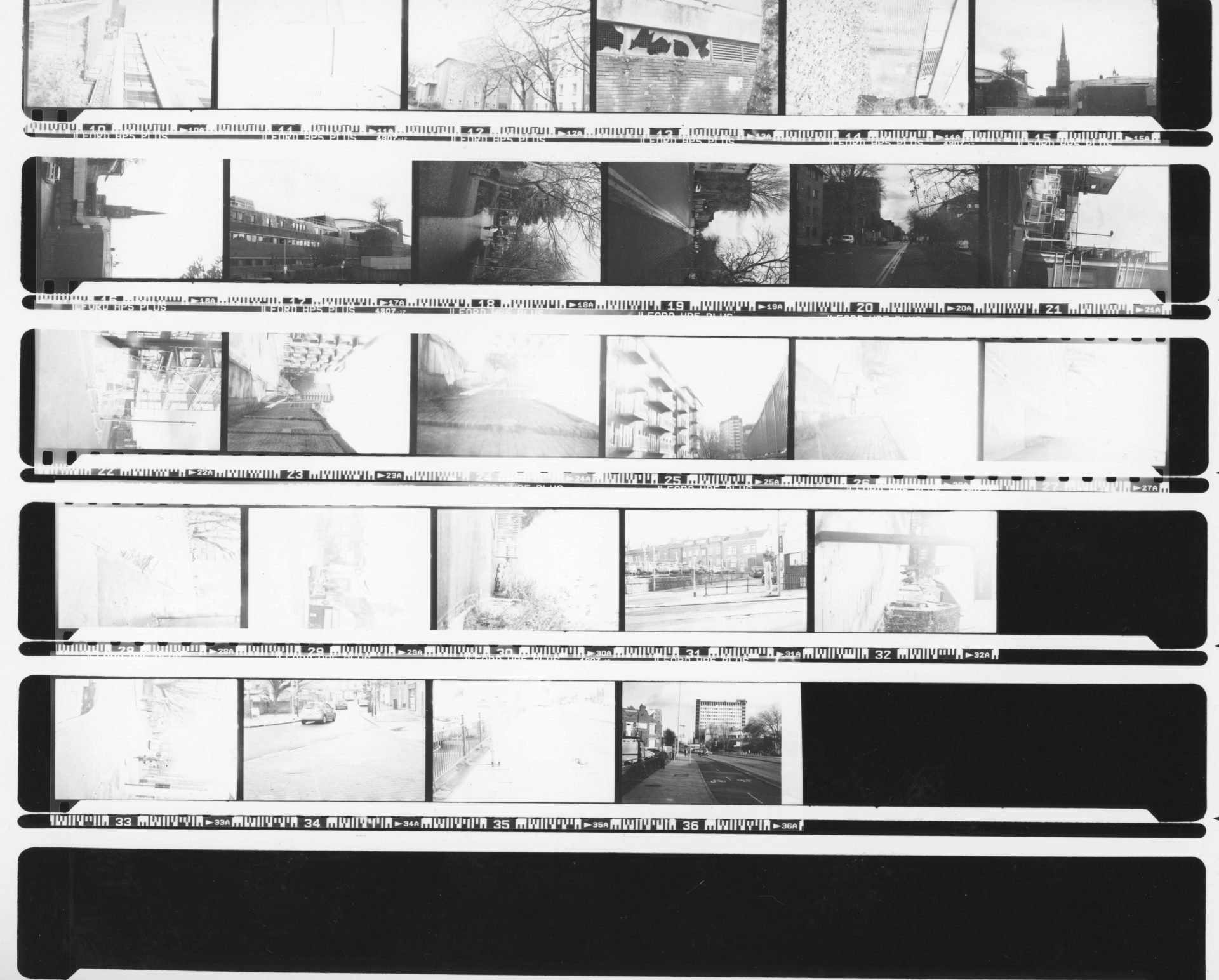
For the second photoshoot, I wanted to capture more street style documentary photography, exploring the more run-down area of Preston that I walk through occasionally on my way to uni. This features broken down buildings, areas with litter, over-grown greenery and other signs of deprivation. I experimented with a range of portrait and landscape orientation to give the subjects different perspectives for the audience as I wanted a wide range of images that all felt individual and unique. However, none of these images came out particularly good as most of them were over-exposed and the others were just not very interesting due to boring compositions etc. Because of this, all of my final images come from my first photoshoot as I felt they were all of a much better standard than the second one.

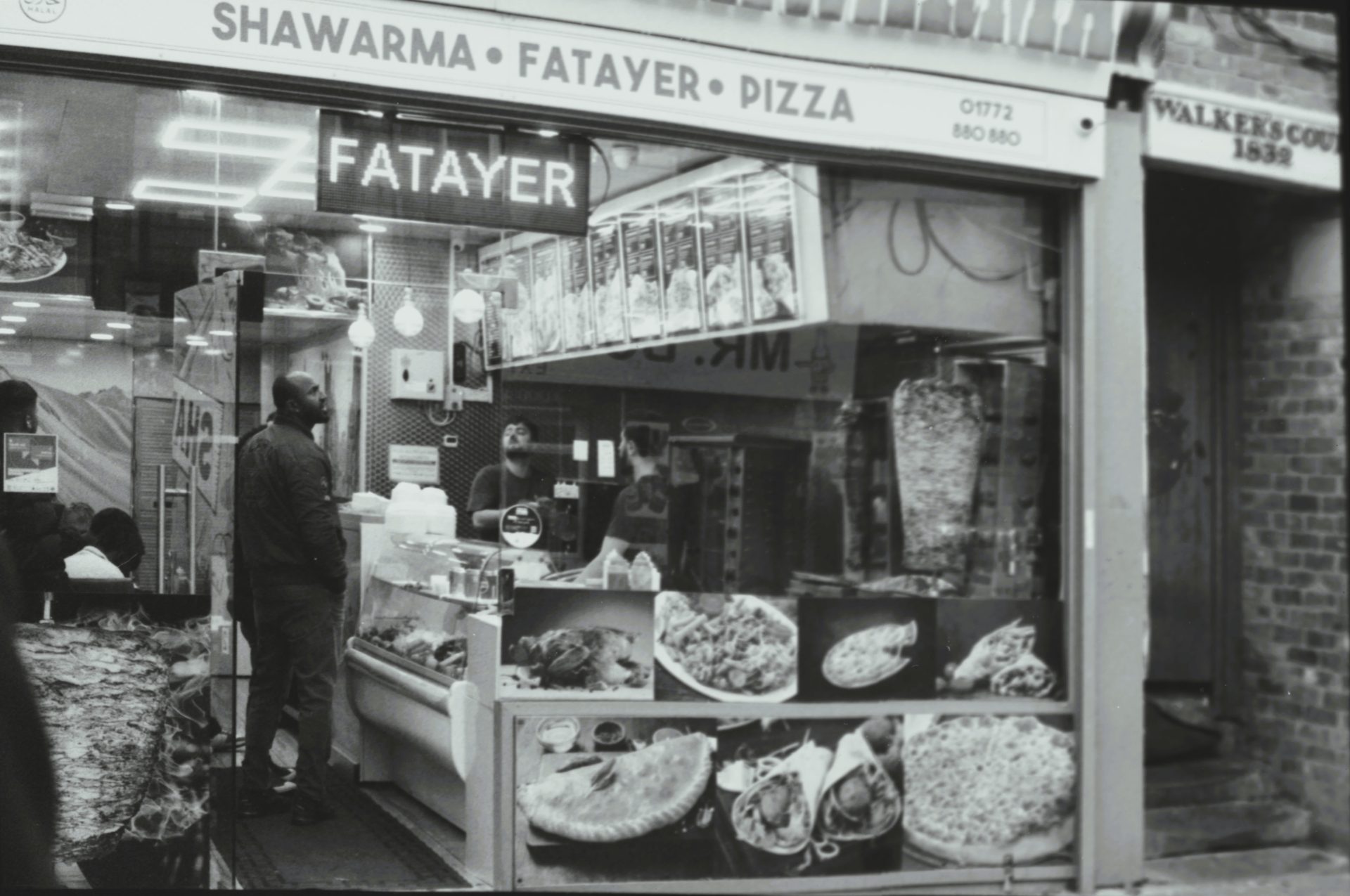
In the first image, the composition and framing engages the audience as they are looking through the window of a shop. This almost creates a frame within the frame of the photograph. The natural poses of the subjects within their environment makes it feel very familiar and relatable to the audience as we have all seen a setting like this before. When capturing this image, I wanted to create a scene that was candid and had no prior planning. To do this, I walked past the shop and captured an image before people had noticed me so that they were in their natural positions. Overall, I think the image is good and I am happy with how it came out. However, some areas of it are not quite in focus due to the speed I took the image but it doesn’t take too much away from the contents of the image.
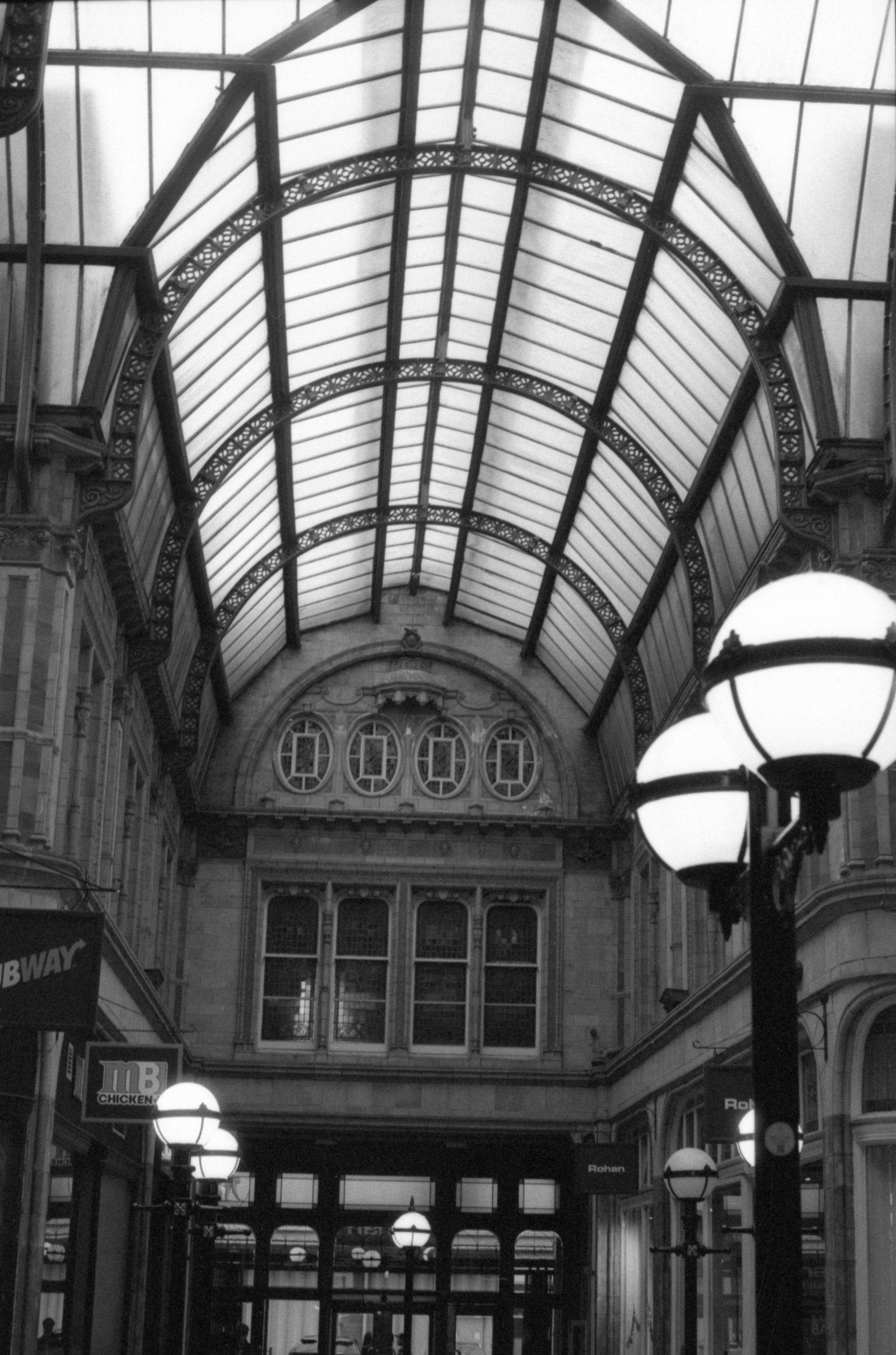
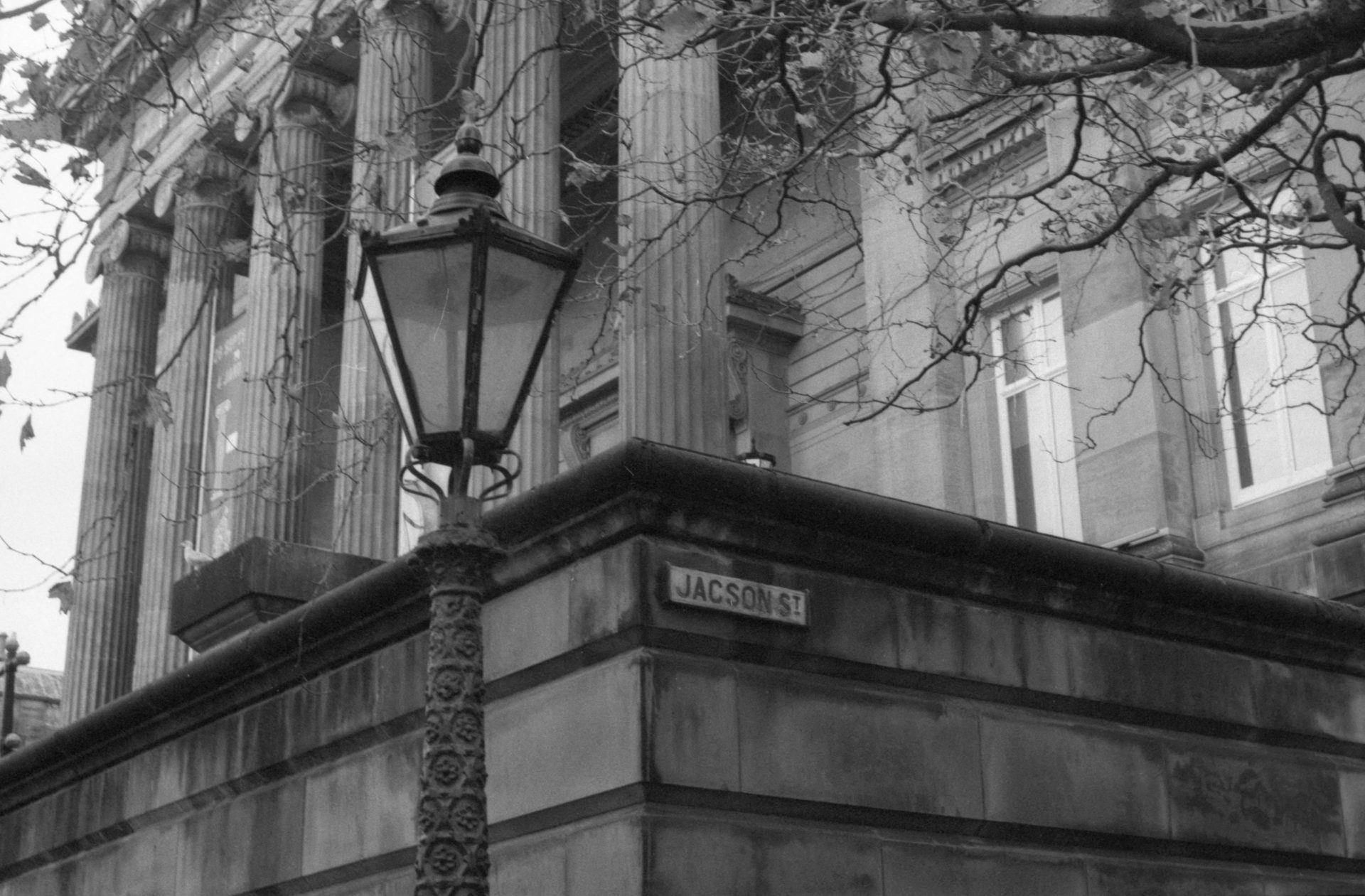
In the second image, the use of leading lines within the image draws the audience’s eyes towards the centre of the image. The low angle that the image was taken from creates a unique perspective, focusing on the patterns within the architecture rather than the surrounding area and the people that may be within it. The use of shallow depth of field keeps the foreground out of focus, creating a slight barrier that the viewer looks past before looking into the image. I like the contrast within the image and how detailed the brickwork looks on the film as it attracts your eyes and makes you want to visit the location in real life. Overall, I am happy with how this image came out. I think it would have been slightly better if I had taken a few steps back and stood a bit more central along within the building whilst taking the image as it would have created a more symmetrical image that has better framing.